Project Description
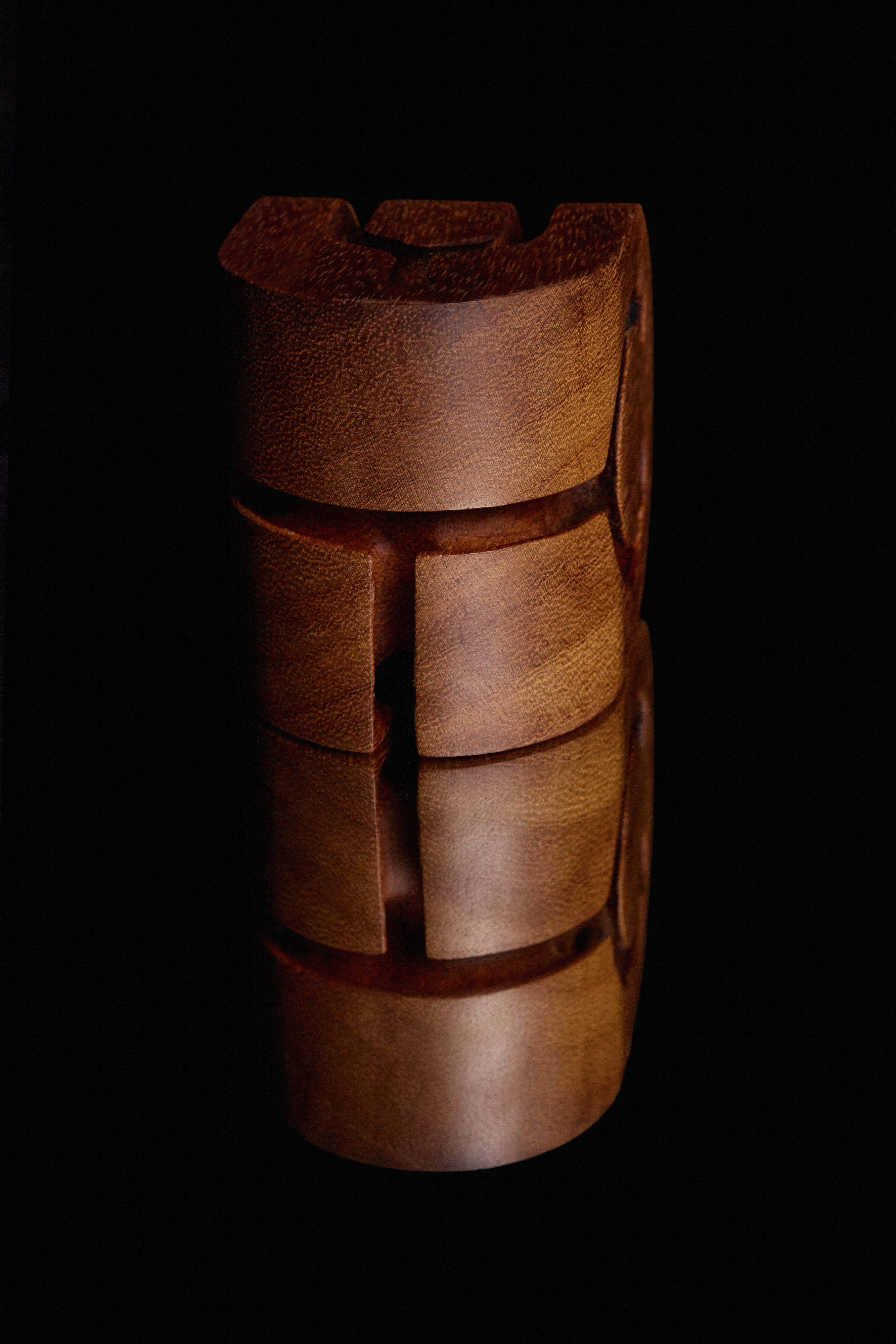
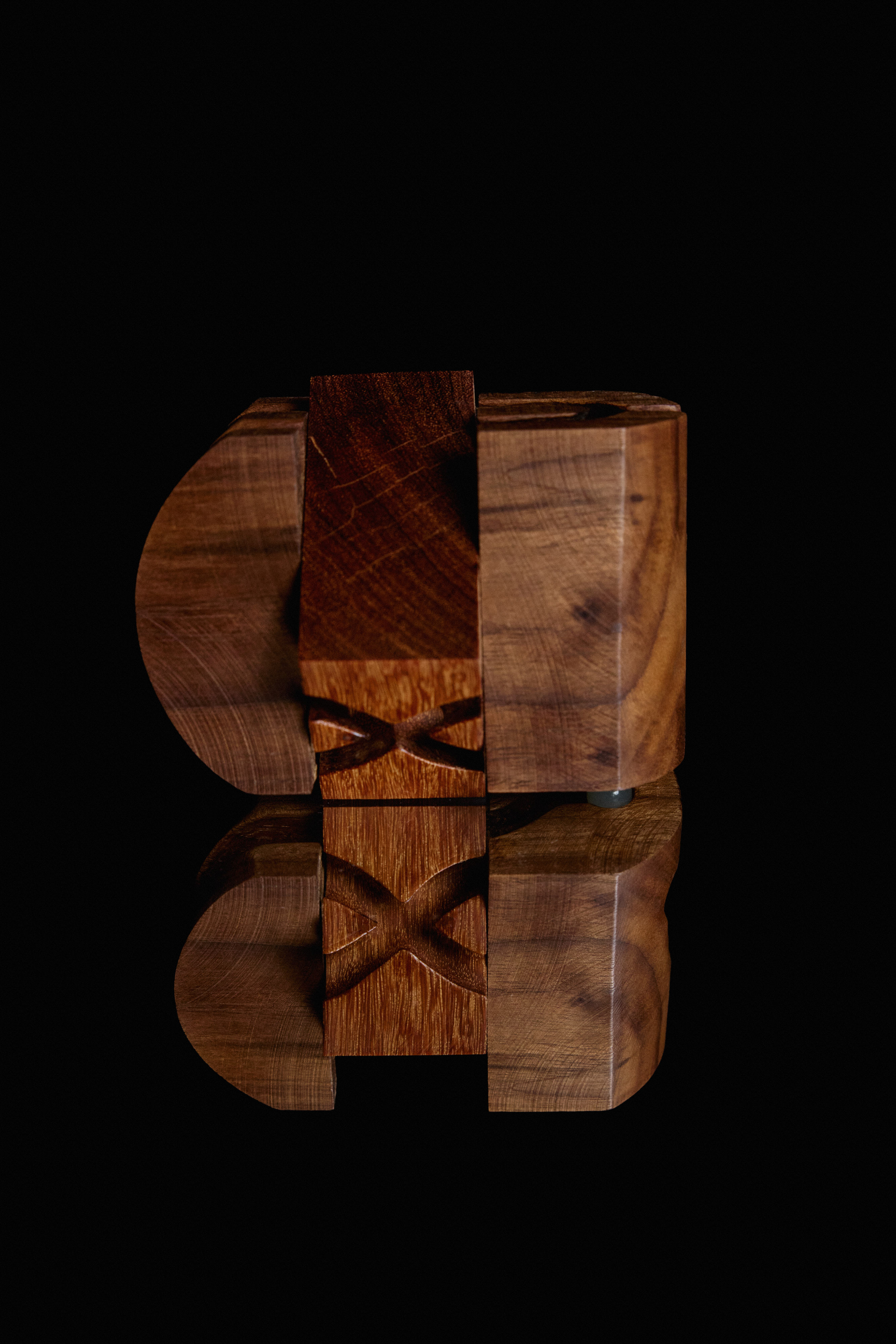
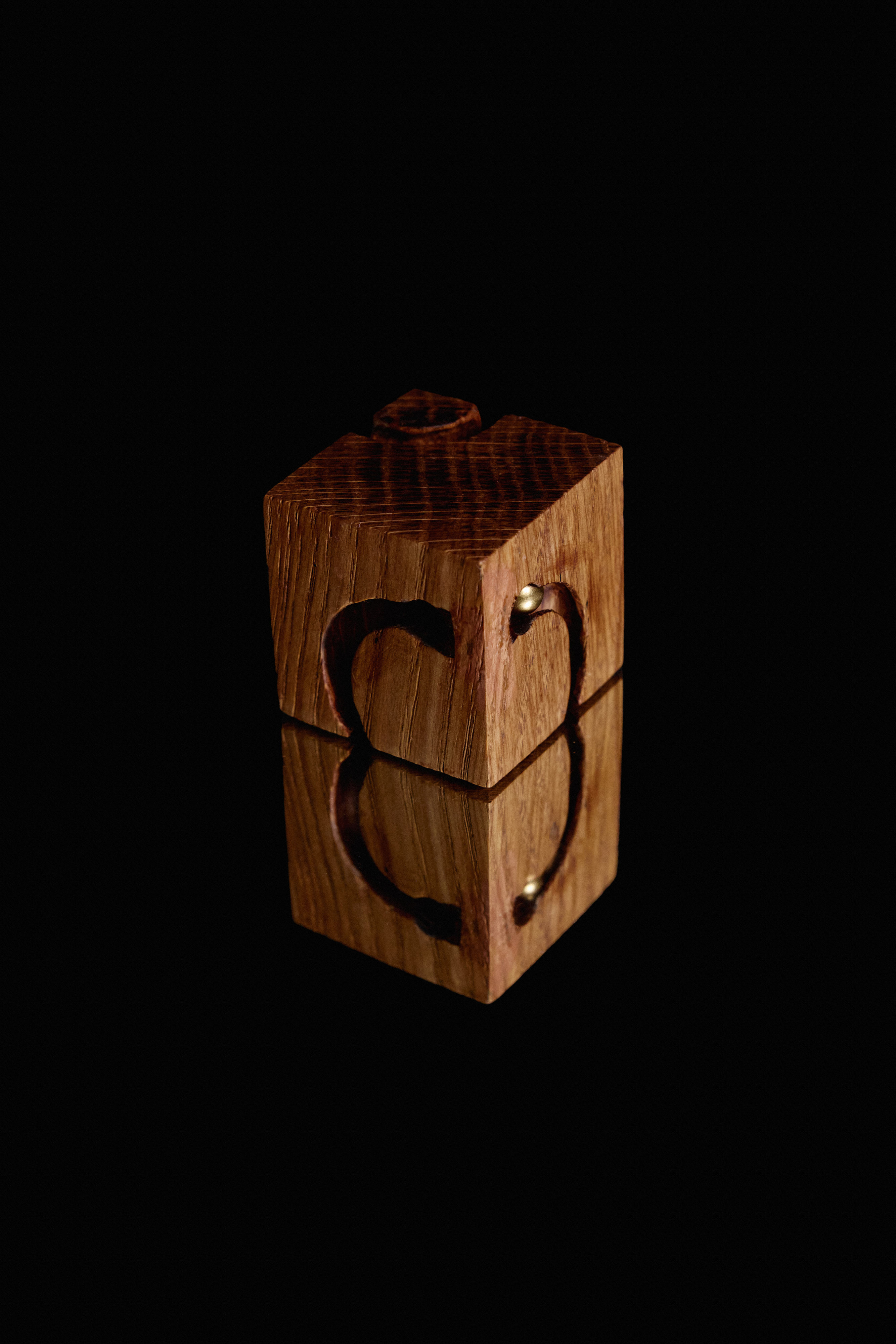
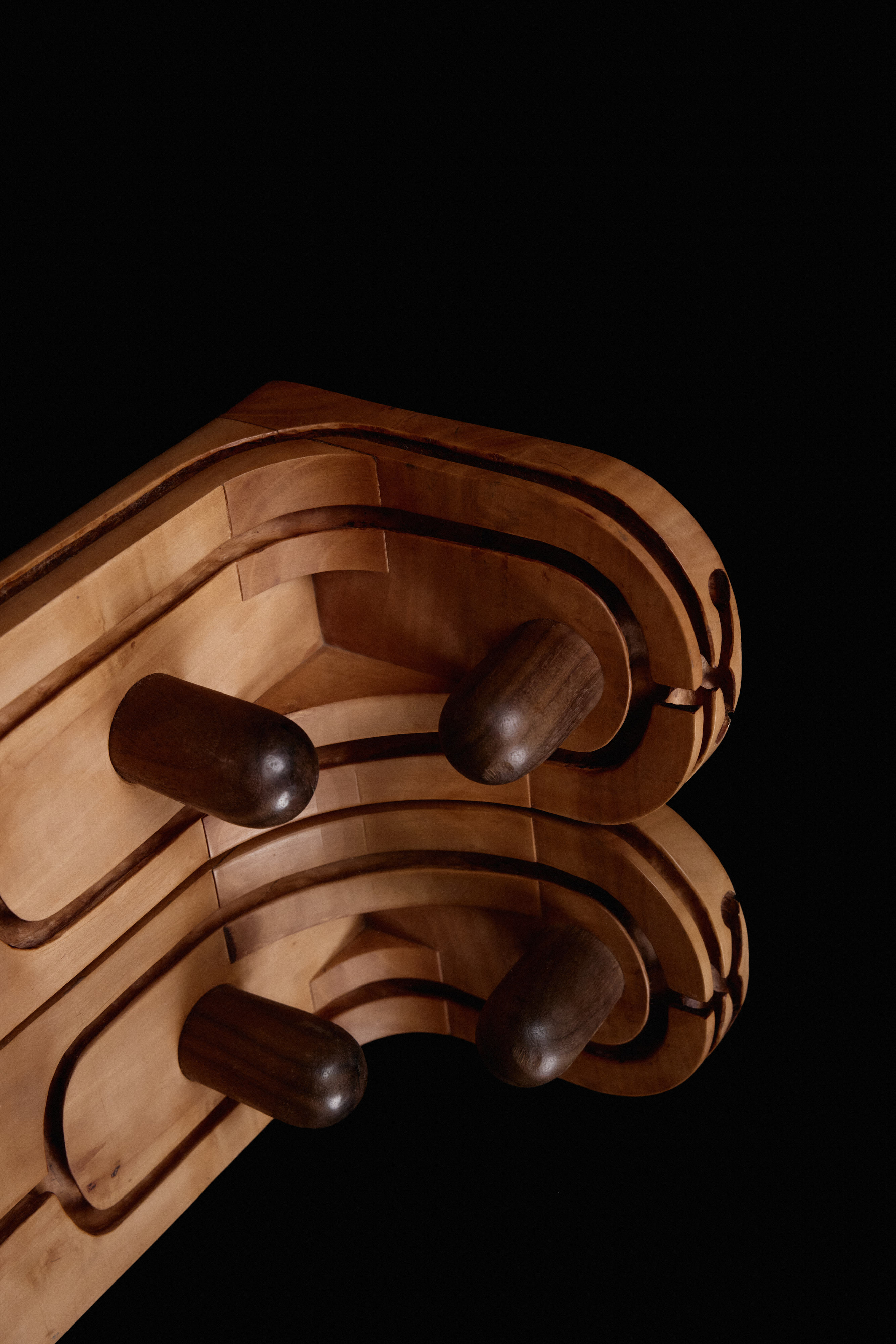
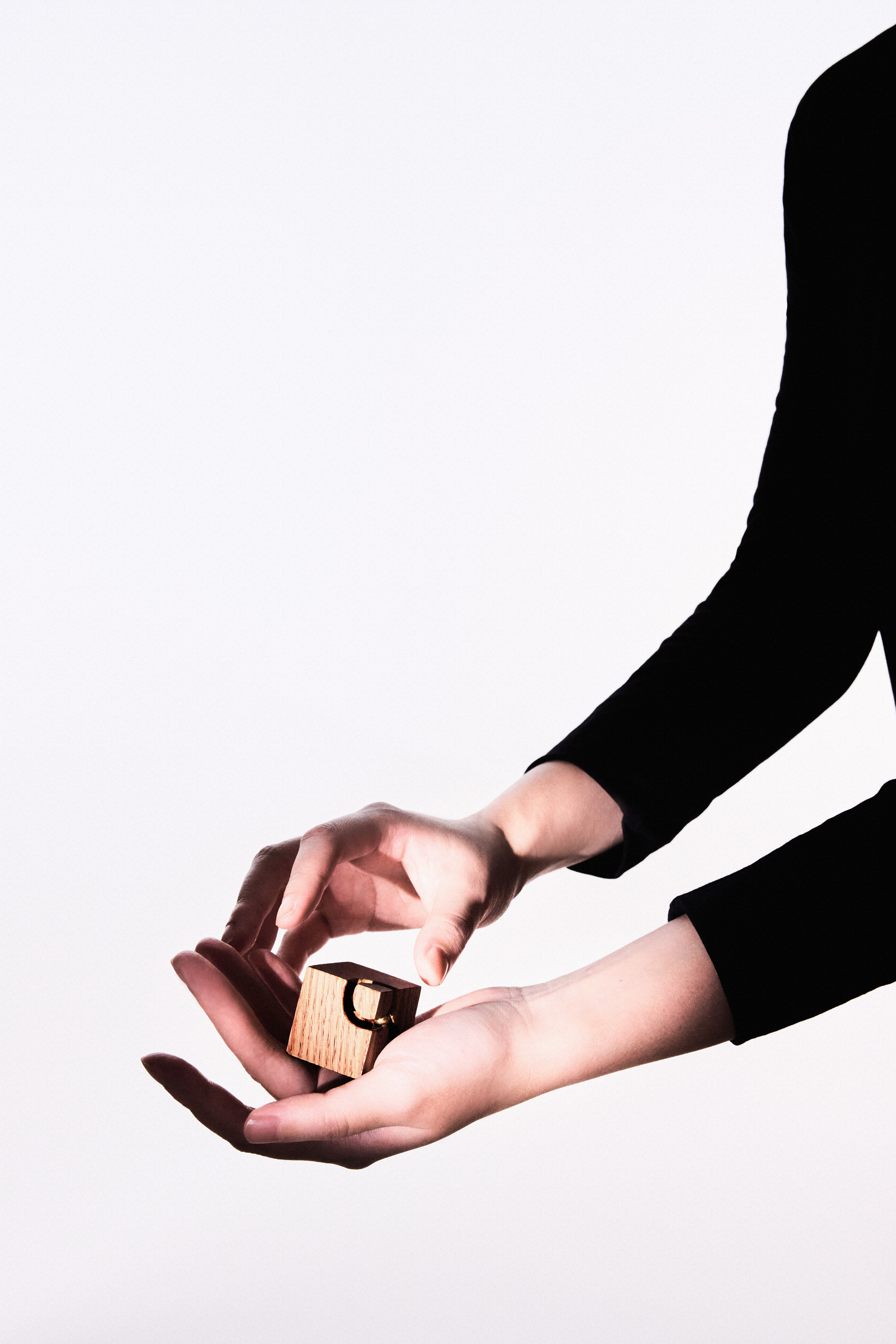
Path Bias is a practice-led project that explores choice, uncertainty, and behavioural bias through a series of interactive wooden artefacts. Drawing on the formal language of divination devices, the project translates abstract psychological and behavioural mechanisms into tangible structures that can be touched, operated, and experienced. By introducing randomness alongside guided movement, the work investigates how decisions emerge between chance and predetermined paths.
In a contemporary context dominated by optimisation, prediction, and control, decision-making is increasingly framed as something that can be rationalised and calculated. From algorithmic recommendations to efficiency-driven lifestyles, we are encouraged to believe that every choice can be improved or predicted. Path Bias deliberately resists this logic. Rather than offering correct answers or definitive outcomes, the project foregrounds uncertainty and shifts attention toward the invisible forces that quietly shape our decisions—such as habit, structure, environment, psychological suggestion, and behavioural bias.
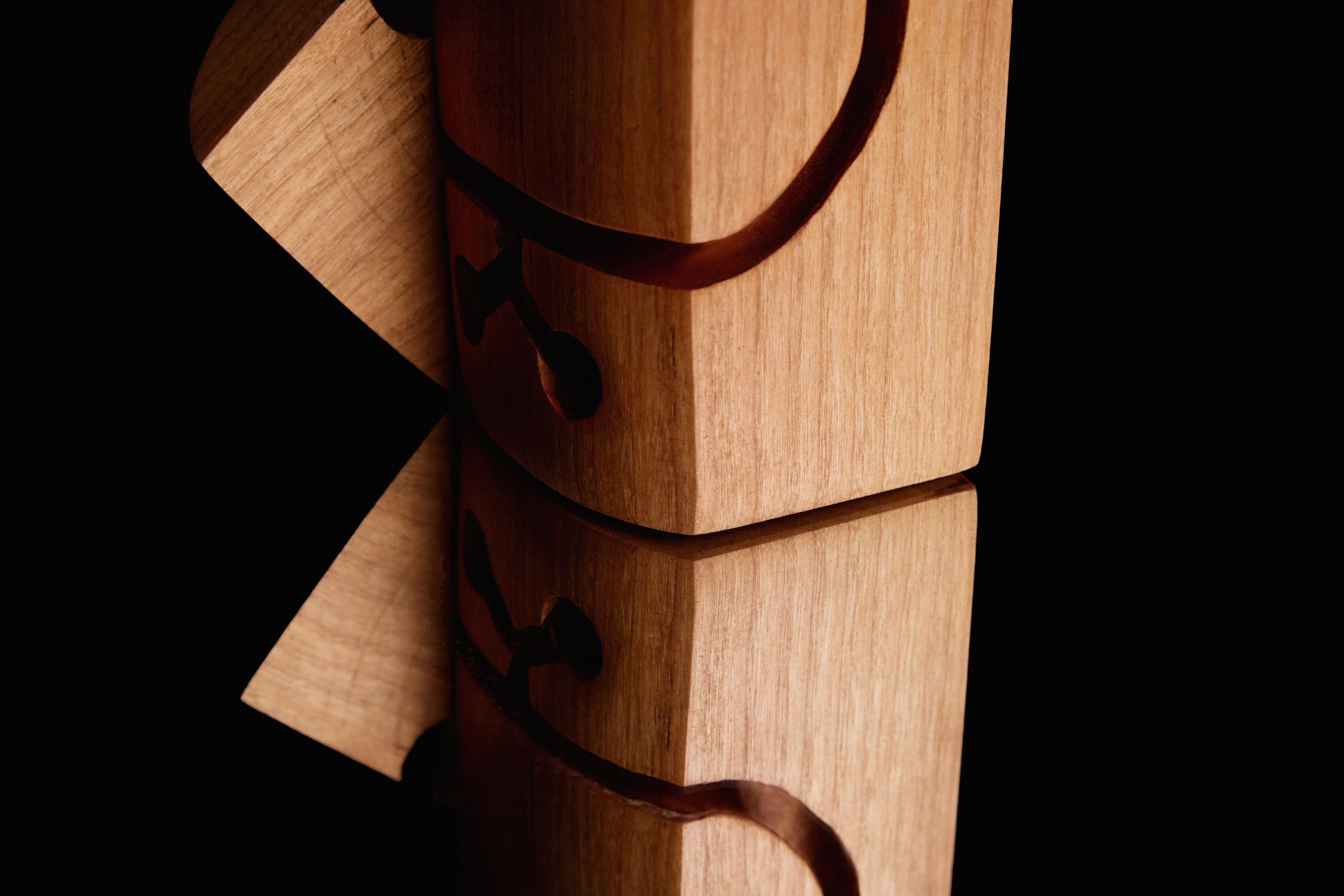
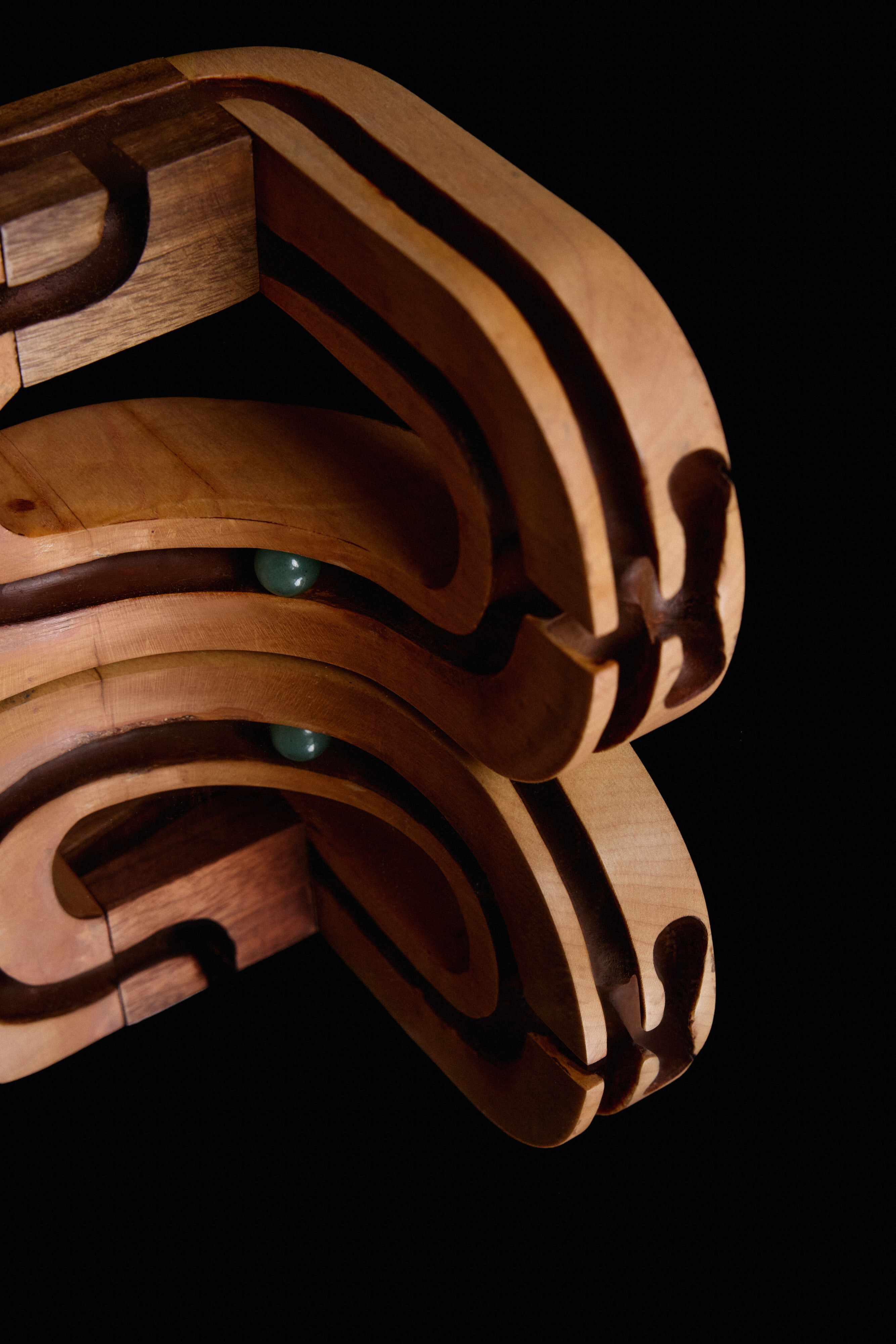
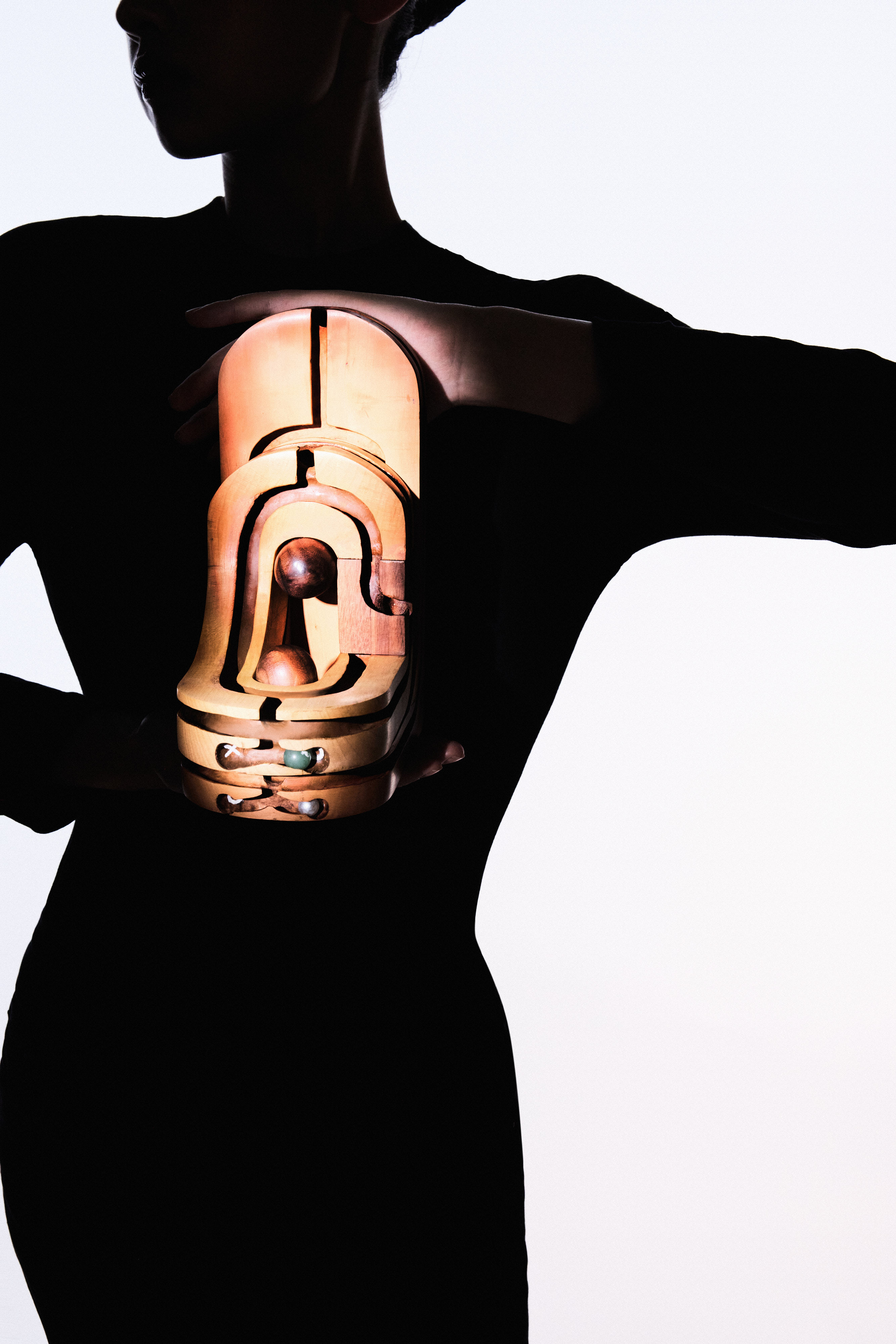
The notion of the “path” functions as a central metaphor within the project. Each artefact incorporates internal pathways, turning mechanisms, or joinery-based mechanical structures through which a ball or element moves. While the outcomes appear random, the movement is always subtly guided by the internal construction of the object. Through interaction, participants become aware that even when results feel unpredictable, choice is rarely entirely free; it unfolds within frameworks that have already been set. This mirrors the condition of everyday decision-making, in which individuals often follow existing paths without conscious awareness.
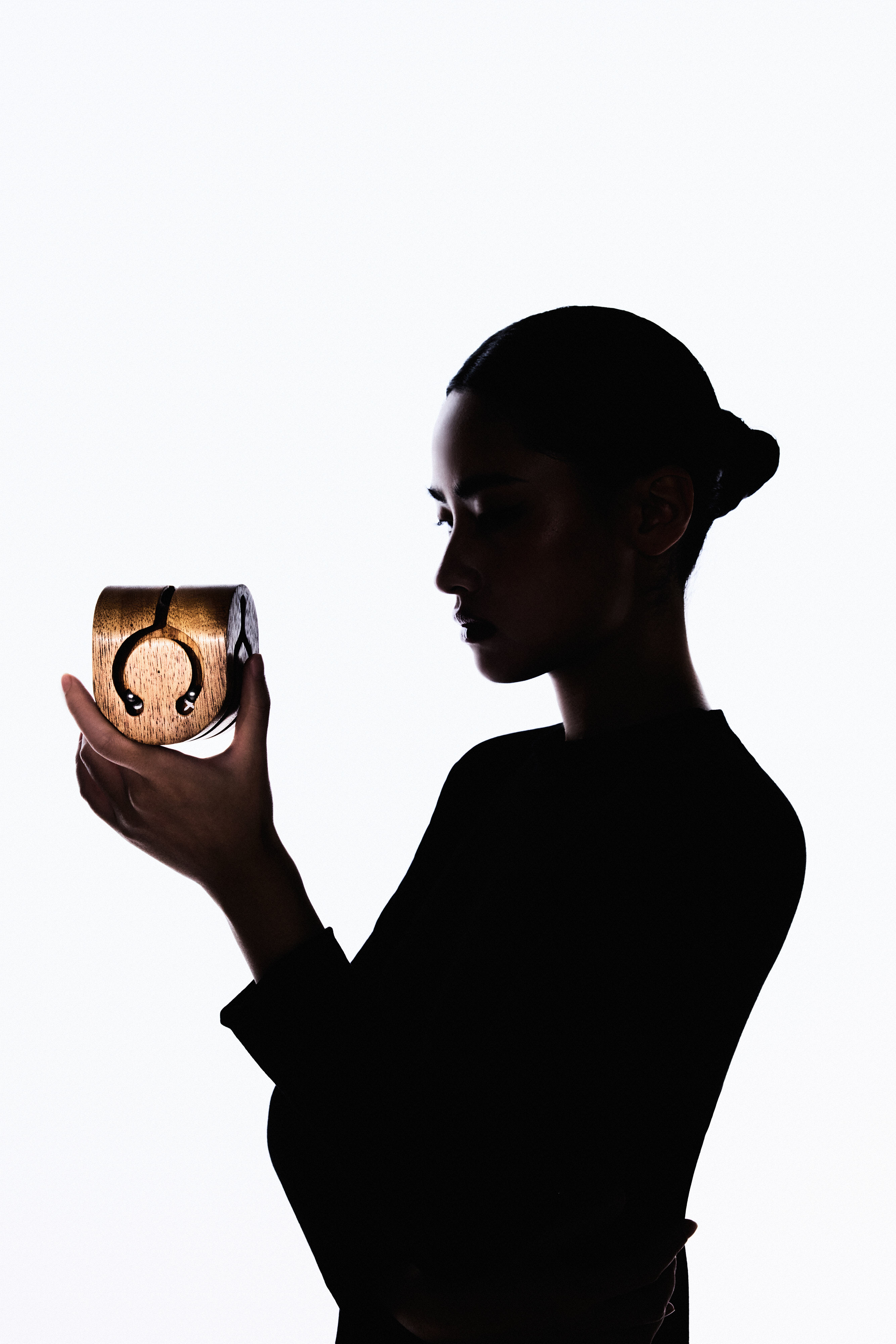
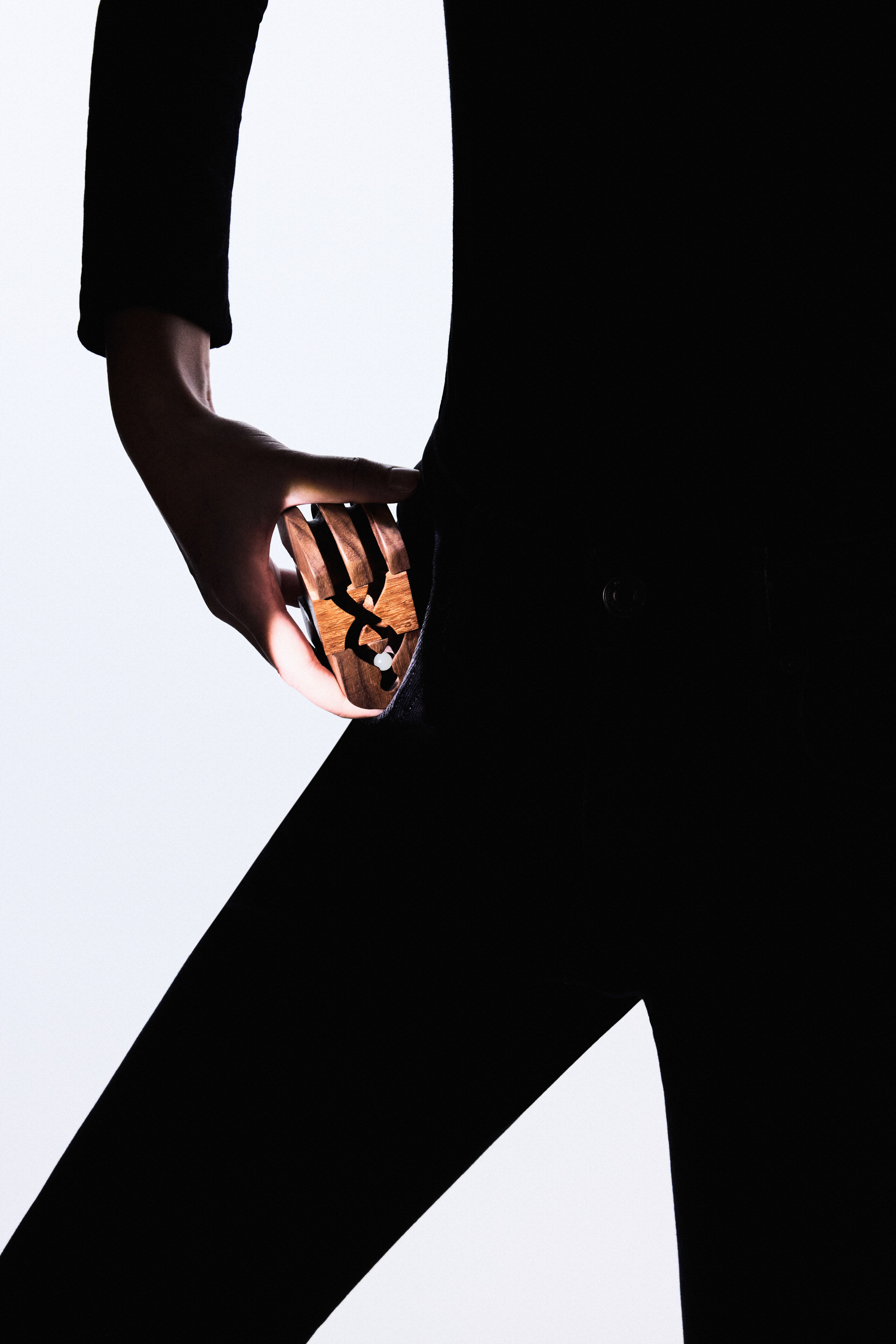
These wooden artefacts operate neither as games nor as functional tools, but as divination-like devices that mediate experience. Through touch, weight, friction, and motion, participants engage bodily with processes of choice and chance. The act of interaction becomes a form of self-projection and internal dialogue. Rather than being given answers, users encounter emotional reassurance, moments of reflection, or a renewed acceptance of uncertainty itself.
Path Bias approaches divination not as a means of predicting the future, but as a psychological structure—one that helps individuals orient themselves when faced with the unknown. The project is ultimately concerned with how ritual, objects, and interaction can provide a sense of direction without claiming certainty. It proposes an alternative perspective in which uncertainty is not treated as a problem to be solved, but as a condition to be acknowledged, inhabited, and navigated.